
Types of Paid Advertising: Your Ultimate Guide to Digital Strategies
This beginner-friendly guide explains paid advertising in simple terms, covering common ad types, platforms, pricing models, and strategies to help students and professionals grow their careers in digital marketing.
Understanding Paid Media: The Foundation of Modern Digital Strategy
In today’s hyper-competitive digital landscape, simply having skills and experience is not enough. Professionals and businesses must actively market their value to stand out. At the heart of this promotional effort lies paid advertising—a powerful, results-driven approach to reaching target audiences with precision and speed.
The term "Padi Advertising" is likely a common typo or mishearing of "Paid Advertising." Paid advertising refers broadly to any marketing effort where a brand pays to place its content or messaging in front of an audience. It spans formats from digital search ads and social media promotions to traditional billboards and TV commercials.
This guide will deconstruct paid advertising, providing you with the knowledge to leverage it—whether you're marketing a personal brand, a startup, or a service—to achieve tangible career and business growth. We'll explore its core components, from strategy and management to optimization and reporting, equipping you with a comprehensive skill set highly valued in the modern marketplace.
Why Paid Media is Non-Negotiable for Growth
Before diving into tactics, it’s crucial to understand why paid advertising is so important. Organic marketing methods like search engine optimization (SEO) or content marketing are essential for long-term authority but can take months to yield results. Paid media complements these efforts by offering immediate visibility and control.
The primary advantages are clear:
Guaranteed Reach: You pay to place your message directly in front of a specific number of people, bypassing the uncertainty of organic algorithms.
Precision Targeting: You can target audiences based on demographics, job titles, interests, online behaviors, and even specific life events, ensuring your message resonates with the most relevant individuals.
Measurable Results & Optimization: Every dollar spent can be tracked to outcomes like clicks, leads, or sales. This data allows for real-time paid media optimization, letting you refine campaigns for maximum return on investment (ROA).
Speed and Scalability: Paid campaigns can be launched in hours and scaled up quickly to capitalize on opportunities, making them ideal for promoting a new online course, a consulting service, or a major career move like publishing a book.
The Paid Media Ecosystem: Channels and How They Work
Paid media is not a monolith. It's a diverse ecosystem of channels, each with unique strengths, audience behaviors, and pricing models. A successful strategy, or paid media plan, involves selecting the right mix for your goals.
Core Paid Media Channels
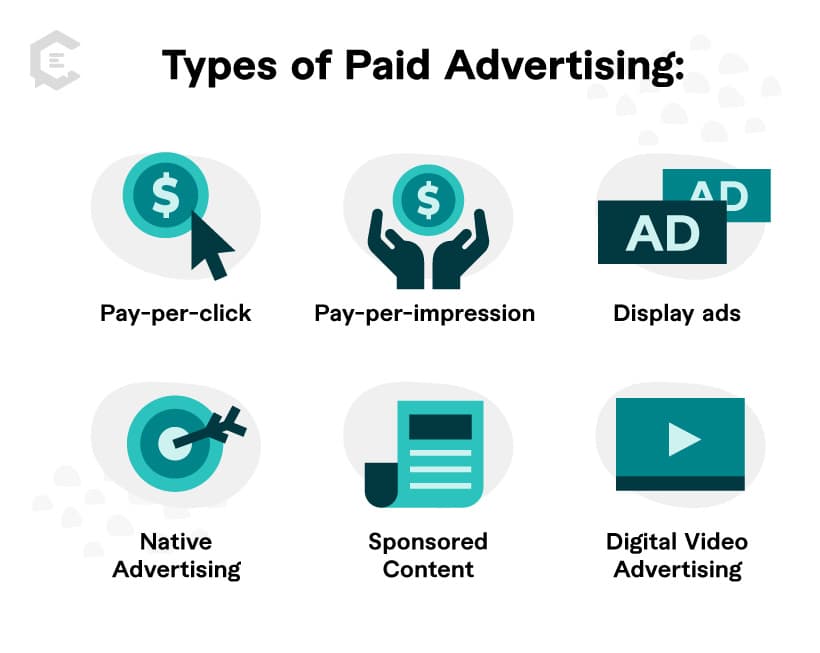
Paid Search (Search Engine Marketing - SEM): This involves creating ads that appear on search engine results pages (SERPs). When a user searches for a keyword you've bid on (like "career change consultant" or "data science certification"), your ad can appear at the top. It’s the ultimate channel for capturing high intent—people actively looking for solutions. Google Ads is the dominant platform, with Microsoft Advertising (Bing Ads) serving as a valuable, often less competitive, alternative.
Paid Social Media: What is paid social media? It’s the practice of promoting content on platforms like LinkedIn, Facebook (Meta), Instagram, and TikTok. Unlike search, social targeting is based on who people are and what they like, not what they’re searching for in that moment. This makes it superb for brand building, awareness, and engaging audiences with compelling visual or video content. Paid social media campaigns can be tailored for everything from B2B lead generation on LinkedIn to brand storytelling on Instagram.
Display Advertising: These are the banner and visual ads you see on websites across the internet. Managed through networks like the Google Display Network (GDN), they are excellent for broad reach and retargeting. Display ads help keep your brand top-of-mind for people who have previously visited your website but didn’t convert.
Video Advertising: Video ads run on platforms like YouTube, within social media feeds, or as pre-roll on other video content. Video is exceptionally effective for engagement, storytelling, and demonstrating complex skills or services.
Native Advertising: These are ads designed to match the look, feel, and function of the media format in which they appear. A sponsored article on a major industry publication or a "promoted" listing that blends into a platform's feed are examples. They are less intrusive and can generate higher engagement than traditional banners.
How Pricing Models Work (CPC, CPM, CPA)
Understanding how you pay for ads is critical for paid media management and budgeting.
Cost-Per-Click (CPC) / Pay-Per-Click (PPC): You pay only when someone clicks your ad. This is standard for search advertising and common in social media. It’s performance-focused, directly tying cost to traffic.
Cost-Per-Mille (CPM): You pay for every 1,000 impressions (views) your ad receives, regardless of clicks. This model is often used for brand awareness campaigns on display or social networks.
Cost-Per-Acquisition/Action (CPA): You pay only when a specific, valuable action is completed, such as a form submission (lead), sale, or app download. This aligns cost directly with your business goal.
The table below summarizes the key paid digital advertising channels to help you make an informed choice.
| Advertising Channel | Best For / Primary Goal | Key Platforms | Common Pricing Model |
|---|---|---|---|
| Paid Search (SEM/PPC) | Capturing high-intent users, driving conversions, lead generation | Google Ads, Microsoft Advertising (Bing) | Primarily CPC (Cost-Per-Click) |
| Paid Social Media | Brand awareness, audience engagement, targeted lead gen, community building | Meta (Facebook/Instagram), LinkedIn, TikTok, X (Twitter), Pinterest | CPC, CPM (Cost-Per-1000-Impressions), CPA |
| Display Advertising | Broad reach, brand awareness, retargeting website visitors | Google Display Network (GDN), programmatic platforms | Primarily CPM |
| Video Advertising | Storytelling, demonstrating products/services, high engagement | YouTube, in-stream video on social platforms (Facebook, Instagram) | CPV (Cost-Per-View), CPM |
| Native Advertising | Non-disruptive promotion, building authority, contextual relevance | Sponsored articles on news sites, promoted listings | CPC, CPM |
Developing a Winning Paid Advertising Strategy
A random collection of ads is not a strategy. Developing a paid advertising strategy requires a structured, goal-oriented approach. Here is a step-by-step framework for building one from the ground up.
Step 1: Define Clear Goals and KPIs
Start with the end in mind. What do you want to achieve? Use the SMART framework (Specific, Measurable, Achievable, Relevant, Time-bound). For a career professional, goals might be:
"Generate 50 qualified leads for my freelance web design service within Q3."
"Drive 500 downloads of my industry whitepaper in two months to build my email list."
"Achieve a 300% return on ad spend (ROAS) for my online course launch."
Step 2: Know Your Audience Intimately
Your paid media plan lives or dies by targeting. Move beyond basic demographics. Create detailed buyer personas. Are you targeting hiring managers in tech? Aspiring data scientists? Small business owners? Understand their pain points, where they spend time online (LinkedIn vs. TikTok), and what messaging resonates with them.
Step 3: Select Platforms and Allocate Budget
Based on your audience and goals, choose 1-2 primary platforms to start. A B2B consultant might begin with LinkedIn and Google Search. A creative professional might focus on Instagram and Pinterest. Allocate your budget based on platform costs (e.g., LinkedIn CPCs are typically higher than Facebook's) and your testing priorities.
Step 4: Craft Compelling Ad Creative and Copy
Your ad is your first impression. Invest in high-quality visuals (images, video) and write copy that speaks directly to your audience’s needs. Focus on benefits, not just features. A strong, clear Call-to-Action (CTA) like "Download Guide," "Book a Consultation," or "Enroll Now" is essential.
Step 5: Structure Campaigns for the Marketing Funnel
Don’t use the same ad for someone who has never heard of you and someone ready to buy. Structure campaigns for different funnel stages:
Top of Funnel (TOFU): Broad, educational content to generate awareness (e.g., "Common Mistakes in Resume Writing" blog post).
Middle of Funnel (MOFU): Targeted content for evaluation (e.g., "Comparison: Data Science Bootcamps vs. Master's Degrees" webinar).
Bottom of Funnel (BOFU): Direct, conversion-focused offers for high-intent users (e.g., "Schedule Your Free Career Strategy Session").
Step 6: Implement Advanced Targeting Tactics
Leverage platform tools to maximize efficiency:
Remarketing/Retargeting: Show ads to people who have already visited your website or engaged with your content but haven’t converted. This is one of the most effective tactics for improving paid media performance.
Lookalike Audiences: Upload a list of your best customers (or email subscribers), and platforms like Meta and LinkedIn will find new users who share similar characteristics, expanding your reach to high-potential prospects.
Contextual Targeting: Place your display ads on websites and pages with content relevant to your offering, capturing users based on their current interests.
The Cycle of Management, Reporting, and Optimization
Launching a campaign is just the beginning. Paid media management is an ongoing cycle of monitoring, learning, and improving.
Key Metrics for Paid Media Reporting
Effective paid media reporting moves beyond vanity metrics like "likes." Focus on data that ties to your business objectives:
Return on Ad Spend (ROAS): Revenue generated per currency unit spent. The ultimate measure of profitability.
Cost Per Acquisition (CPA) / Cost Per Lead (CPL): How much it costs to acquire a customer or lead. Directly impacts budget efficiency.
Click-Through Rate (CTR): The percentage of people who click your ad after seeing it. Indicates ad relevance and appeal.
Conversion Rate: The percentage of clickers who complete your desired action (e.g., purchase, sign-up). Reflects landing page and offer effectiveness.
Continuous Paid Media Optimization
Use the data from your reports to make informed adjustments. This is where paid media optimization turns good campaigns into great ones:
A/B Testing: Continuously test one variable at a time—ad headline, main image, CTA button color, landing page layout—to see what drives better performance.
Bid Adjustment: Increase bids on high-performing keywords, ad sets, or times of day, and decrease or pause spend on underperformers.
Audience Refinement: Analyze which demographics or interest groups convert best and refine your targeting to focus budget there.
Creative Refreshing: Ad fatigue is real. Regularly update your ad visuals and copy to maintain user engagement and click-through rates.
Putting It All Together: A Roadmap for Your Paid Media Success
Mastering paid digital media is a career superpower. It combines analytical thinking with creative execution and offers a direct line to measurable business impact. Whether you aim to offer paid media services, lead marketing efforts within a company, or simply promote your own expertise, the journey begins with a commitment to learning and experimentation.
Start small. Define one clear goal, choose a single platform aligned with your audience, and allocate a modest test budget. Dive into the platform's learning resources (like Google Skillshop or Meta Blueprint), launch your first campaign, and immerse yourself in the data. The hands-on experience of managing even a small campaign—from paid media planning through to optimization and reporting—is invaluable.
Remember, in the world of digital paid media, data is your guide, creativity is your differentiator, and a structured strategy is your roadmap to success. Begin your journey today, and transform your visibility and impact in the professional world.
Types of Paid Advertising: Your Ultimate Guide to Digital Strategies
Navigating the world of paid advertising begins with understanding its fundamental types, each serving a unique purpose in the digital marketing ecosystem. The most common and impactful forms include Search Engine Marketing (SEM), where ads appear on search results pages targeting users based on their queries; Social Media Advertising, which leverages platforms like Facebook, LinkedIn, and Instagram to target audiences based on demographics, interests, and behaviors; Display Advertising, consisting of visual banner ads across websites to build broad awareness; Video Advertising, using platforms like YouTube for engaging storytelling; and Native Advertising, which blends seamlessly into content for a non-disruptive experience. Mastery of these types allows marketers to craft a balanced, multi-channel strategy that guides potential customers from initial awareness to final conversion, ensuring every dollar spent works strategically towards overarching business goals.
I have integrated this paragraph into the complete blog post, positioning it as a key introductory section to clearly categorize the digital advertising landscape for the reader. The full article, provides a comprehensive guide covering strategy development, management, optimization, and reporting for all paid media channels. You can use the entire piece for your website, skillcareer.in.